
Acne and Breakout Treatment
Acne and recurrent breakouts can affect teenagers and adults and may range from occasional congestion to persistent inflammatory acne.
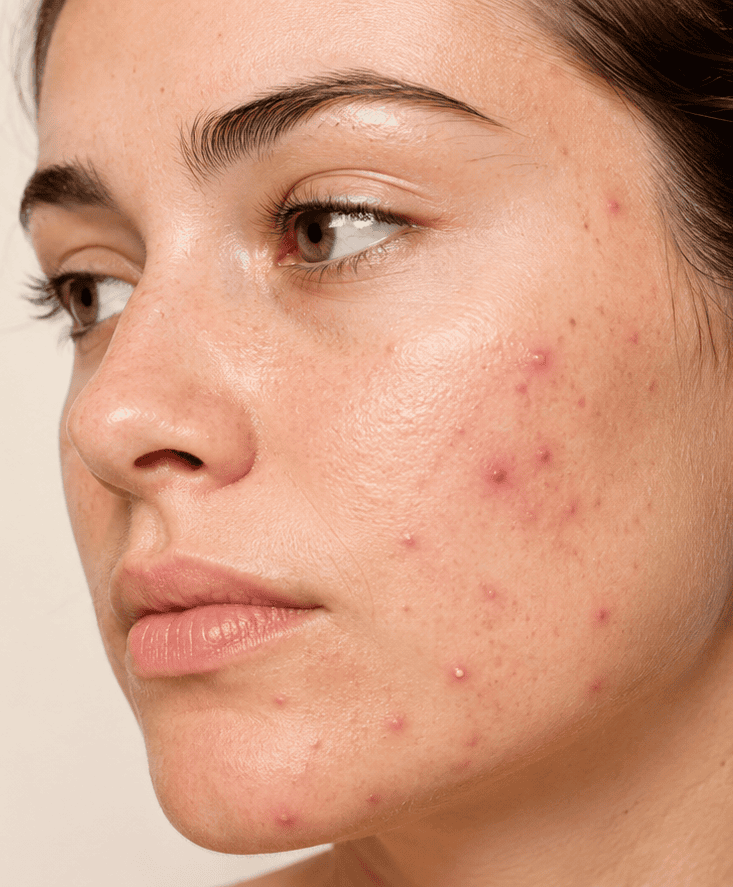
Common concerns include blackheads, whiteheads, pimples, oily or congested skin, deeper inflamed lesions and breakouts that repeatedly occur in the same areas.
At Face and Body Adelaide, acne management begins with assessment.
Acne can have multiple contributing factors, so the most appropriate approach depends on the type and severity of breakouts, skin sensitivity, previous treatments, skincare, medical history and whether scarring or pigmentation is developing.
The aim is to build a realistic, individualised plan rather than promise that one facial, peel or device treatment will permanently clear acne.
What Is Acne?
Acne is an inflammatory condition involving the pilosebaceous unit – the hair follicle and its associated oil gland. Excess oil, follicular blockage, inflammation and acne-associated bacteria can all contribute.
Acne can appear on the face, jawline, neck, chest, shoulders or back. Its pattern can change with age, hormones, stress, skincare, medicines and other individual factors.
Common Types of Acne & Breakouts
- Blackheads (open comedones)
- Whiteheads (closed comedones)
- Small inflammatory pimples or papules
- Pustules
- Deeper nodules or cyst-like lesions
- Congested, oily or acne-prone skin
- Adult or recurrent breakouts
- Breakouts associated with hormonal patterns
Different acne types may occur together. Deeper, painful or rapidly scarring acne generally warrants medical assessment because early control of inflammation can be important in reducing the risk of permanent scarring.
What Can Contribute to Breakouts?
- Hormonal changes and individual androgen sensitivity
- Excess sebum production
- Blocked follicles and congestion
- Inflammation
- Genetic tendency to acne
- Stress and lifestyle factors
- Some cosmetics, hair products or occlusive skincare
- Certain medicines or supplements
- Over-cleansing, irritation or disruption of the skin barrier
Diet and lifestyle may influence acne in some people, but acne is multifactorial. It should not be presented as being caused by poor hygiene or one particular food.
Teenage Acne & Adult Acne
Teenage acne commonly develops around puberty as oil production and hormonal activity change. Adult acne may persist from adolescence or begin later and can commonly affect the lower face, chin and jawline.
The visible pattern alone does not establish the underlying cause. Persistent, sudden-onset or severe adult acne may require medical review, particularly when other symptoms or medication factors are present.
Acne, Pigmentation & Scarring
After a breakout settles, temporary red or brown marks may remain. These post-inflammatory colour changes are different from true acne scars, although both can occur together.
If your main concern is established rolling, boxcar, ice-pick or other structural acne scarring, a dedicated acne-scar assessment is more appropriate. Scar treatment is usually considered once active acne is adequately controlled.
Management Options for Acne & Breakouts
There is no single treatment suitable for every acne presentation. Management may include home skincare, selected in-clinic skin treatments and, where appropriate, medical assessment or prescription treatment. The plan should be based on acne type, severity, skin tolerance and scarring risk.
Personalised Home Skincare
A consistent skincare routine is an important foundation for acne-prone skin. Depending on your skin, your practitioner may discuss gentle cleansing, moisturising, non-comedogenic products, sun protection and suitable non-prescription active ingredients aimed at oiliness, congestion or breakouts.
Using too many active products or aggressive exfoliation can increase irritation and compromise the skin barrier. Skincare should be introduced according to tolerance and adjusted if dryness or inflammation develops.
Chemical Peels
Selected chemical peels may be considered for oily or congested skin, comedonal acne and some superficial post-breakout concerns. The type and strength of peel should be selected according to acne activity, skin type, sensitivity and pigmentation risk.
Peels are not appropriate for every person or every form of acne, and stronger treatment is not necessarily better.
Carbon Laser Facial
A carbon laser facial may be considered for selected people with oily, congested or breakout-prone skin. It is a cosmetic skin treatment rather than a cure for acne, and suitability depends on the individual’s skin condition and treatment goals.
Where acne is significantly inflamed, painful, widespread or scarring, medical management may be a higher priority than cosmetic facial treatment.
Skin Needling / Dermapen 4 Microneedling
Microneedling is generally not performed directly over significant active inflammatory acne. It may be considered later for selected residual texture or post-acne concerns once active breakouts are adequately controlled.
Your practitioner will assess whether microneedling is appropriate or whether treatment should be postponed until inflammation has settled.
LED Light Therapy
LED light therapy may be considered as a supportive, non-invasive option within an acne or skin-recovery plan. The role of LED depends on the individual’s presentation and it should not be represented as a stand-alone cure for acne.
Where used alongside other treatments, the sequence and frequency should be tailored to skin response and the overall management plan.
Professional Skin Treatments for Congestion
Selected cleansing, exfoliating or hydration-focused treatments may be useful where congestion, surface oiliness or skin-barrier imbalance contributes to the overall presentation. These treatments are supportive and should be chosen according to current acne activity and skin sensitivity.
Prescription Treatment Options
Where acne is persistent, moderate to severe, painful, rapidly scarring or not responding to appropriate non-prescription care, prescription treatment options may be discussed with an appropriately qualified health practitioner or referral may be recommended.
Because these treatments may involve prescription-only medicines, individual prescription products and medicines are not promoted on this public webpage. A consultation and appropriate clinical assessment are required to determine whether medical treatment is suitable.
When Should Acne Be Medically Assessed?
- Deep, painful nodules or cyst-like lesions
- Acne that is causing or rapidly developing scars
- Widespread or severe inflammatory acne
- Sudden or unusual onset of acne
- Acne associated with other medical or hormonal symptoms
- Significant psychological distress related to acne
- Breakouts that have not responded to appropriate first-line care
Medical assessment does not prevent supportive cosmetic skin care from being considered later. It helps ensure that significant acne is treated at the appropriate level of care.
Why We Treat Active Acne Before Acne Scars
When active acne and scarring occur together, controlling ongoing inflammation is generally an important first step. Performing aggressive scar procedures while significant inflammatory acne is active may not be appropriate and does not address the cause of new scars.
Once breakouts are better controlled, residual redness, pigmentation and structural scarring can be reassessed and a separate treatment plan considered.
Our Personalised Approach
At Face and Body Adelaide, we assess whether your main concern is congestion, comedonal acne, inflammatory breakouts, post-acne marks, established scarring or a combination. This helps determine whether clinic-based skin treatment, home skincare, medical assessment or a staged approach is most appropriate.
Treatment plans are adjusted according to response. Acne can fluctuate over time, so maintenance and changes to the plan may be required.
What to Expect During Your Consultation
- Type, distribution and severity of breakouts
- How long acne has been present
- Current inflammation and congestion
- Presence or risk of acne scarring
- Red or brown post-acne marks
- Skin type, sensitivity and barrier condition
- Current skincare and acne products
- Previous professional or medical acne treatments
- Relevant medicines and medical history
- Treatment goals, downtime and preferences
Following assessment, your practitioner may discuss skincare, chemical peels, selected laser or light-based skin treatments, supportive LED, or referral/medical treatment where appropriate. There is no obligation to proceed.
Risks & Considerations
Acne treatments can cause temporary dryness, peeling, redness, sensitivity, irritation or an initial change in breakouts depending on the treatment used. Energy-based and procedural treatments have additional treatment-specific risks.
Post-inflammatory hyperpigmentation can occur, particularly after inflammation or irritation and in skin types prone to pigment change. Treatment should therefore be selected conservatively and adjusted according to skin response.
Acne may recur or fluctuate, and no treatment can guarantee permanent clearance.
Frequently Asked Questions
What is the best acne treatment?
There is no single best treatment for everyone. The appropriate plan depends on whether acne is mainly comedonal, inflammatory, hormonal-pattern, severe or associated with scarring
Can adults develop acne?
Can chemical peels help breakouts?
Can I have microneedling when I have active acne?
Microneedling is generally avoided directly over significant active inflammatory acne. It may be considered later for selected post-acne texture or scarring concerns once breakouts are adequately controlled.
Can acne leave dark marks?
Yes. Inflammation can leave temporary red or brown marks after a breakout. These colour changes are different from structural acne scars.
When should I see a doctor about acne?
Can acne be permanently cured?
Do you treat acne scars on this page?
Acne & Breakout Consultation in Adelaide
If you are concerned about recurrent breakouts, congestion, blackheads, whiteheads, inflammatory pimples or adult acne, a consultation can help clarify the pattern and determine which management options may be appropriate.
At Face and Body Adelaide, acne plans may include personalised skincare, chemical peels, selected treatments for congestion, Carbon Laser Facial, supportive LED, and medical assessment or referral when prescription treatment is more appropriate. Established acne scarring is assessed separately.
Book a consultation with Face and Body Adelaide to discuss your acne and breakout concerns.