
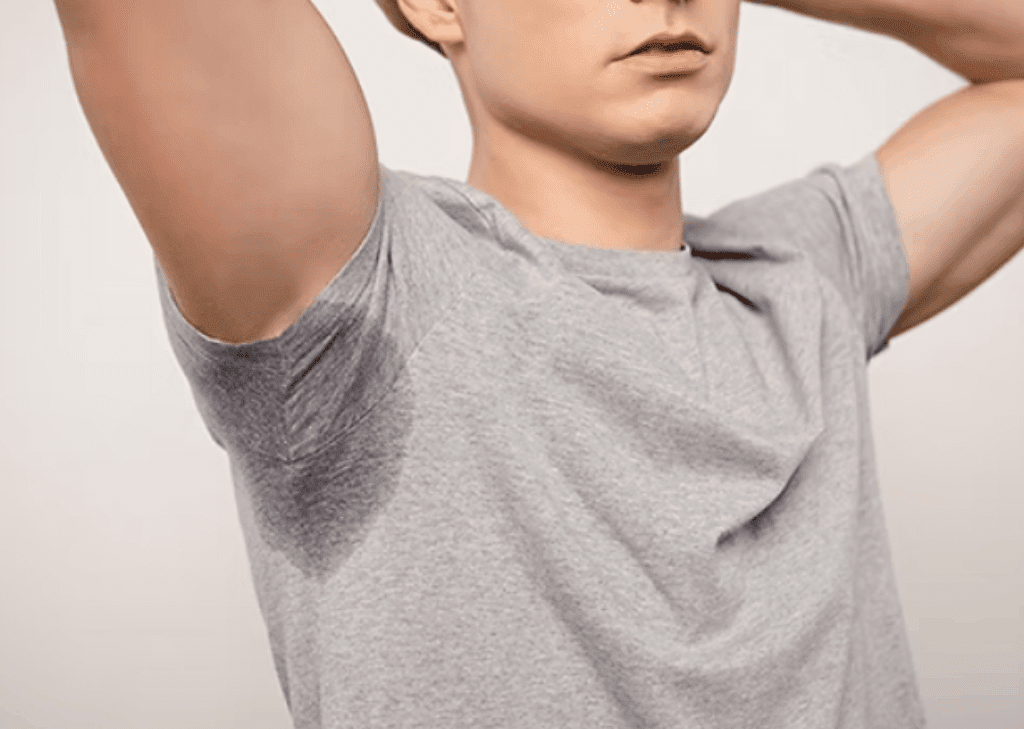
Excessive Sweating (Hyperhidrosis) in Adelaide, Australia: What to Know
Excessive sweating, also known as hyperhidrosis, is a common condition. Research suggests it affects nearly 5% of the global population. However, despite this, many people do not seek professional advice.
In this article, we explain common causes of hyperhidrosis, how it may be assessed, and what treatment options may be discussed during consultation.
What Is Excessive Sweating (Hyperhidrosis)?
Hyperhidrosis is a condition that involves excessive sweating. It occurs when the body produces more sweat than needed for temperature control.
Normally, sweat helps regulate body temperature and prevent overheating. It is released by eccrine glands located throughout the skin. These glands produce a clear, odourless fluid that reaches the skin surface.
Once on the skin, sweat evaporates and helps cool the body. This is a natural and essential process for maintaining balance.
However, in hyperhidrosis, the sweat glands may become overactive. As a result, sweating can occur without heat or physical activity. It may also happen at rest or in cooler environments.
This condition can affect specific areas or the entire body. Common areas include the underarms, hands, feet, and face.
Although not harmful to physical health, it can affect daily comfort. Therefore, a professional consultation can help assess symptoms and discuss suitable management options.
What Causes Excessive Sweating?
In some cases, excessive sweating occurs without a clear reason, while in others it may be linked to an underlying medical condition or certain medications.
Below are the common causes of excessive sweating.
1. Overactive sweat glands
Eccrine sweat glands help regulate body temperature. In people with hyperhidrosis, the nerves that activate these glands may be overactive. This can lead to sweating that occurs more often than expected or without a clear trigger.
2. Primary (idiopathic) hyperhidrosis
In many cases, there is no identifiable underlying cause. This is known as primary, or idiopathic, hyperhidrosis. It is thought to involve overactivity in the nerves that stimulate sweating. In addition, it may run in families and commonly affects areas such as the underarms, palms, soles of the feet and sometimes the face.
3. Secondary hyperhidrosis
In some cases, excessive sweating may be associated with an underlying medical condition or may occur as a side effect of certain medications. If sweating changes suddenly or becomes more noticeable, a doctor can help assess possible causes and discuss appropriate next steps.
How Is Hyperhidrosis Diagnosed?
Hyperhidrosis is diagnosed through a structured assessment. This usually begins with a detailed consultation and health history review.
Your practitioner may ask about your symptoms and daily sweating patterns. They will also review any existing medical conditions and current medications. This helps identify possible contributing factors.
A physical examination may also be performed. This allows the practitioner to assess affected areas and skin condition.

Lyra Rde M. Visual scale for the quantification of hyperhidrosis
In some cases, additional tests may be recommended. Blood or urine tests can help identify underlying medical conditions. For example, these may include thyroid imbalance or blood sugar changes.
A sweat test may also be used in certain situations. During this test, a special powder is applied to the skin. The powder changes colour to highlight areas of increased sweating.
Diagnosis focuses on identifying the type and possible cause of sweating. This helps guide suitable management options moving forward.
How Does Excessive Sweating Treatment Work?
Excessive sweating treatment involves a structured supervised process. Each step is designed to ensure safety and suitability.
Before the Procedure
The process begins with a detailed consultation. A registered practitioner will assess your symptoms and medical history. This helps confirm the type and severity of hyperhidrosis.
In some cases, diagnostic tests may be used to assess sweating patterns. The practitioner will also rule out possible underlying medical causes.
Following assessment, suitable treatment options will be discussed. Expected outcomes, limitations, and potential risks are explained clearly. It is important to understand that results vary between individuals.
A cooling-off period may be recommended before proceeding. This allows time to make an informed and voluntary decision.
During the Procedure
Treatment is performed by a qualified practitioner. Strict clinical and safety protocols are followed throughout the session.
The treatment targets areas with overactive sweat glands. In some cases, treatment options may be discussed depending on the affected areas, symptoms, and clinical assessment. Suitability varies between individuals.
Your practitioner will communicate with you during the procedure. This helps ensure comfort and understanding at each stage.
Treatment time depends on the area being treated. The process is performed carefully to support safe outcomes.
After the Procedure
After treatment, specific aftercare instructions are provided. These guidelines help support healing and reduce potential risks.
Temporary effects such as redness, swelling, or tenderness may occur. These effects are usually short term and vary between individuals.
Results develop gradually over the following weeks. In addition, follow-up appointments may be recommended to assess progress.
Excessive Sweating (Hyperhidrosis) Treatment In Adelaide, Australia
Excessive sweating treatment options may be considered depending on the cause, affected areas, and individual circumstances.
At Face and Body Adelaide, personalised consultations help guide each treatment plan. A qualified practitioner will assess your symptoms, medical history, and suitability for treatment. This helps ensure care is tailored to your individual needs.
Injectable treatments may be used in some cases to help manage excessive sweating. They work by reducing signals to the sweat glands in the treated area. However, individual response and duration of effect can vary.
Treatment is performed with attention to the targeted area and treatment plan. Your practitioner will explain the procedure, possible risks, expected effects, and aftercare so you can make an informed decision.
If you are considering hyperhidrosis treatment in Adelaide, a consultation can help you understand the options that may be suitable for your needs.